
TL;DR:
A self serve DSP is a programmatic advertising platform you operate independently, without giving campaign management to a middleman or agency. You control the entire ad buying process: targeting, bidding strategies, and performance data, all from one platform. It fits brands, small and mid-sized agencies (SMEs), and affiliate marketers who want direct access to programmatic campaigns without enterprise-level complexity.
You open a campaign report. Impressions: 847,000. Clicks: 4,200. Spend: $10,000. Everything looks fine until a client asks: Which sites ran the ads? You have no answer. Not because the platform hid the data. Because you did not know to look for it.
A self-serve DSP changes that math:
- You control the ad buying process.
- You set the targeting.
- You manage your programmatic advertising campaigns.
- You see every ad placement your budget touches.
This guide covers what a self-serve DSP is, who it serves, how the programmatic auction works, and how it compares to other ways to buy traffic. If you are deciding whether programmatic should be part of your media buying plan, this is the right place to start.
What Is a Self Serve DSP?
To understand self-serve DSP, it is crucial to understand its components: self-serve + DSP. Let’s start from the latter.
What is a DSP?
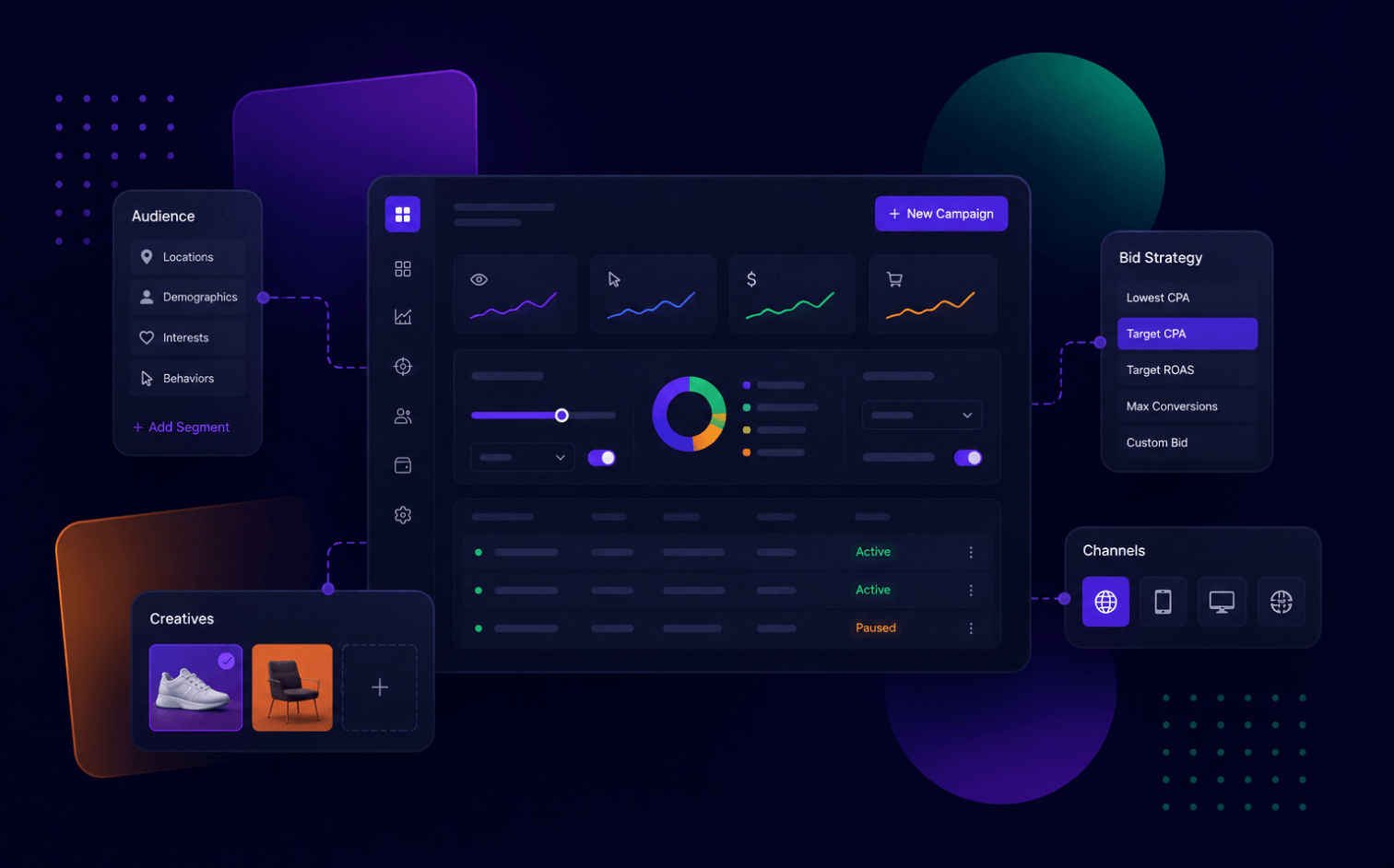
A demand side platform (DSP) is an ad tech tool for buying ad traffic programmatically (in other words, using software to buy ad space automatically instead of negotiating with publishers directly). It helps advertisers create, manage, and optimize campaigns across websites, apps, and streaming TV, all from one platform. You set the campaign goals, define audience targeting, and upload creatives. The DSP handles bidding and delivery.
Think of it like booking a flight.
You go to one platform, set your destination, budget, and preferences. The platform scans hundreds of options in seconds and secures the best available seat at the price you set. You never call each airline directly.
A DSP works the same way. Instead of flights, it bids on ad placements across thousands of websites and apps. You set the audience, budget, and goals. The DSP automatically finds and buys the right impressions.
Read the full breakdown of what a DSP is.
What makes DSP "self-serve"?
A self-serve DSP is a DSP you operate yourself. You sign up, fund the account, and build campaigns independently.
Overall, you get to have complete control over the ad buying process. You create programmatic advertising campaigns, buy traffic, and manage analytics/campaign performance.
Think of it like renting a car versus hiring a driver.
With a driver, someone else handles the route, the speed, and the decisions. You sit in the back and pay a premium for that convenience. With a rental car, you get behind the wheel yourself. Same roads, same destination, but you control every turn and keep the money you would have paid the driver.
A self-serve DSP is the rental car. You run the campaigns, make the calls, and the margin stays with you.
Who Needs a Self Serve DSP?
A self serve DSP is not for “literally everyone,” but it should cover a wide spectrum of ad businesses. These include:
Affiliates and Performance Media Buyers
A self serve DSP is not for “literally everyone,” but it should cover a wide spectrum of ad businesses. These include:
Affiliates and Performance Media Buyers
Affiliates are one of the strongest fits for a self-serve DSP. Full control over ad inventory, fast setup, and rule-based bidding strategies let performance buyers scale winning ad placements and cut underperforming ones the same day. Advanced targeting options and transparent placement-level reporting show exactly which site or app served each ad impression. There is no black box, and no minimum spend that prices out smaller buyers.
Self-serve DSPs provide performance marketers with the cost efficiency and data-driven decisions they need to optimize campaigns at speed.
Small and Mid-Sized Agencies (SMEs)
Agencies running Meta and Google for clients face a real ceiling: Rising CPCs, account ban risk, and limited ways to differentiate their offer. A self serve DSP lets agencies add programmatic advertising campaigns to their service mix without hiring a dedicated ad ops team or buying into advanced features they cannot yet justify.
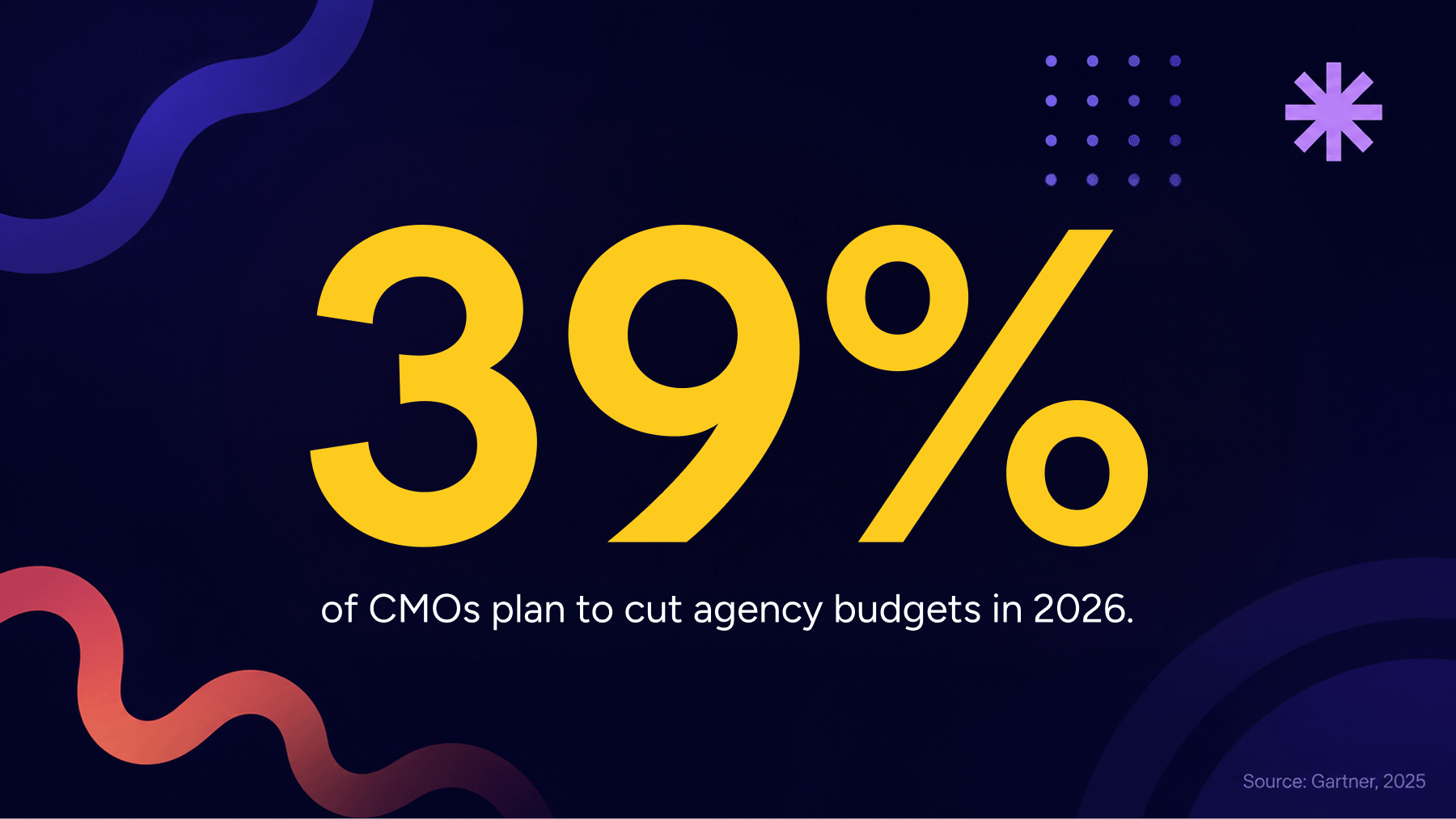
According to Gartner's 2025 CMO Spend Survey, 39% of CMOs plan to reduce agency budgets this year. Eliminating underperforming agency relationships is their top cost-cutting action. Agencies that run programmatic campaigns independently, show transparent campaign performance data, and offer more ad formats hold a stronger position in that conversation.
For instance, Epom DSP has a dedicated setup for agencies running programmatic for clients, with multi-client dashboards, transparent placement reporting, and a white-label upgrade path when you are ready to bill on margin.
In-House Advertisers and Brands
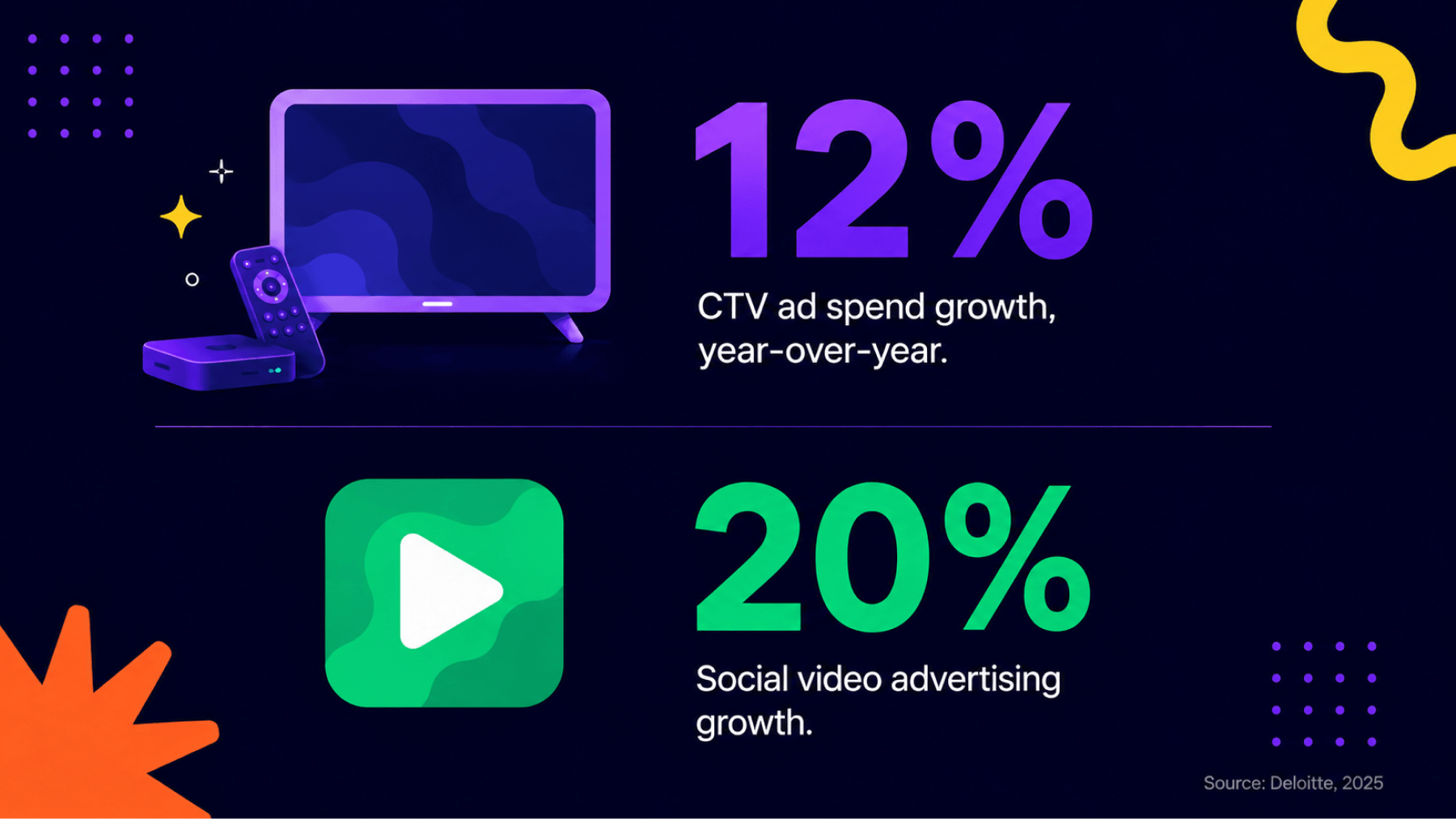
Social video advertising experienced a 20% growth in 2025 and is now the largest category of digital advertising, according to Deloitte. Brands still running only biggest traditional platforms are missing the channels their audiences have already moved to. A self-serve DSP helps advertisers activate first-party audience data, retarget users, and run programmatic advertising campaigns across multiple channels, without going through an agency.
Predictable bidding logic, a user-friendly interface, and clear reporting allow brands to manage campaigns independently. Marketers get complete control over budget allocation, ad placements, and campaign goals, without relying on a premade platform that obscures decisions.
The range of DSPs self service options available today means brands, agencies, and affiliates can all find an entry point that fits their budget and their level of programmatic experience.
See what Epom DSP can do for your campaigns
How Does a Self Serve DSP Work?
Three main components make programmatic advertising work:
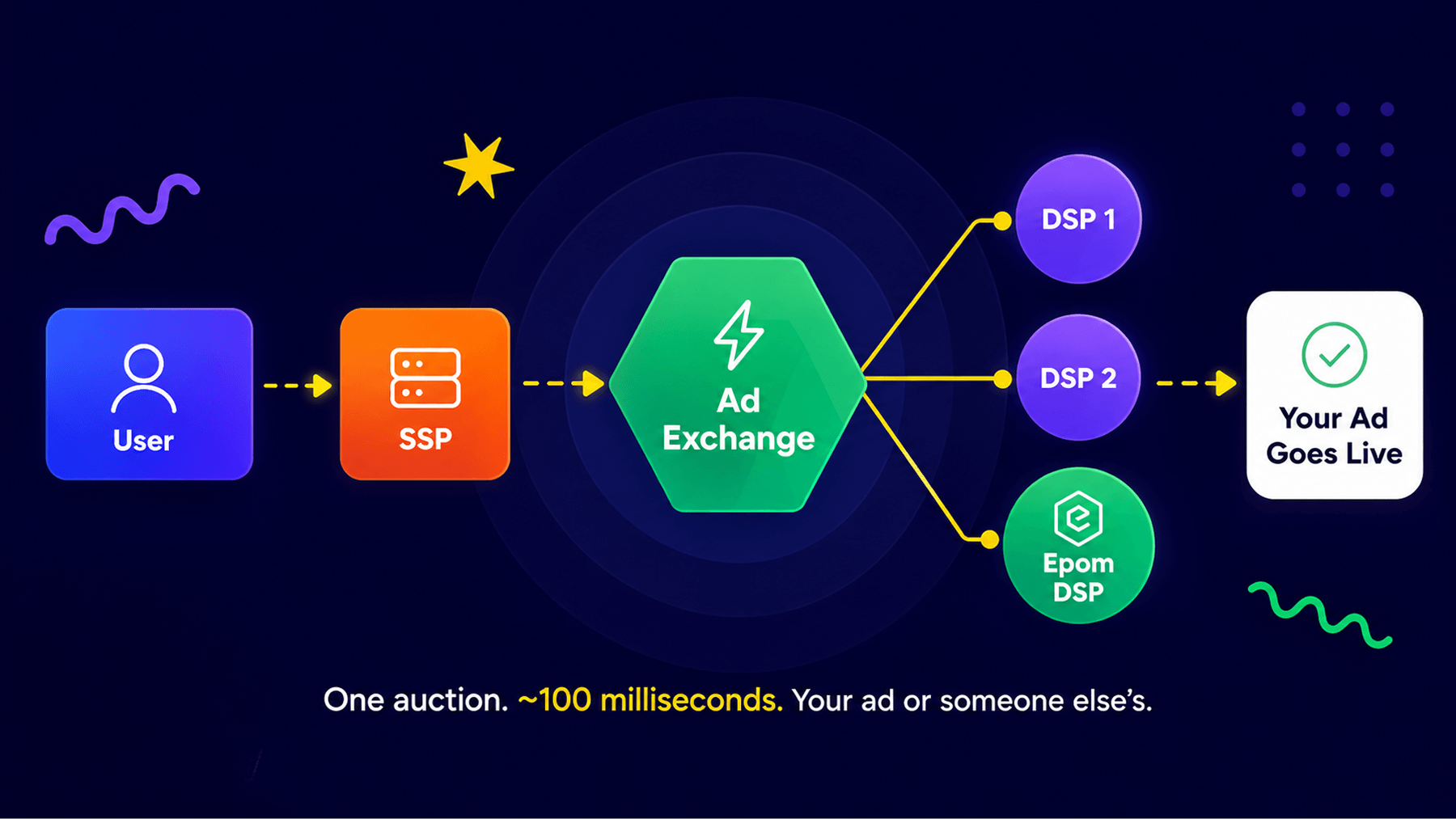
1. SSP
A supply-side platform is the publisher's tool for selling ad inventory programmatically. Just like a DSP, a good SSP can do more than just participate in programmatic auctions. It allows publishers and ad networks to aggregate demand sources, utilize frequency capping, and analytics to maximize ad fill rates, without ruining the UX. DSPs and SSPs sit on opposite sides of the same transaction. Publishers use it to sell what they have. Your DSP is on the buying side.
It is a twin brother to a DSP. SSP and DSP can’t be compared directly; they are two sides of the same coin.
Watch this video to get a better idea of SSP and find out how publishers sell ads.
2. Ad Exchange
An ad exchange is a digital marketplace connecting DSPs and SSPs. It runs real-time bidding auctions across a vast pool of ad inventory. Open auctions are the most common way to access premium content and premium inventory on the open internet. The ad exchange makes the entire process possible.
Imagine a stock exchange. Thousands of buyers and sellers meet in one place, trades happen in milliseconds, and the highest bid wins. Nobody negotiates one-on-one. The ad exchange works the same way. It connects your DSP with publishers' SSPs, runs the auction, and delivers the result before the page finishes loading.
3. CDP/DMP (Optional)
Customer data platforms and data management platforms support audience targeting using first-party or third-party audience data. Neither is required to start a programmatic campaign, but both sharpen targeting precision.
Think of CDP/DMP as loyalty card at a supermarket. Every purchase tells the store who you are, what you buy, and when. That data lets them send you relevant offers instead of generic ones. A CDP or DMP does the same for ad campaigns. It stores audience data so your DSP knows who to target, not just where to place the ad. Epom DSP comes with Lotame segments built in, so you do not need to build this from scratch.
How Does a Programmatic Auction Work?
Here is how a standard open auction runs through a self-serve DSP:
- A user lands on a publisher's site. The real-time bidding process starts.
- The site sends an ad request to an SSP.
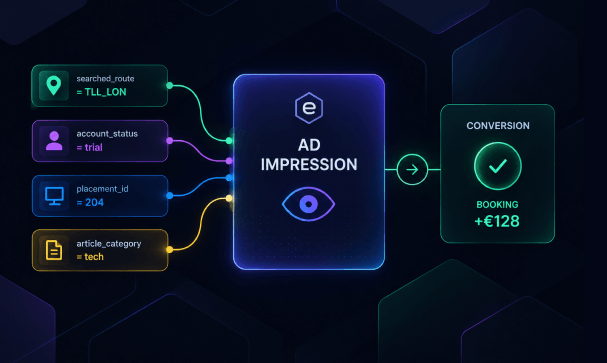
- The SSP identifies an available ad placement and passes the impression data to the ad exchange.
- The ad exchange sends that data to DSPs with matching targeting criteria.
- Multiple DSPs bid on the ad impression simultaneously, each applying their own bidding strategies.
- The highest bid wins. The winning ad appears on the page.
- The entire process takes about 100 milliseconds.
Epom DSP runs Pixalate fraud verification before any impression reaches your campaign. Invalid traffic stays below 2%. You see exactly where each ad ran, down to the site or app level.
Read more about how self-serve advertising technology works in our new guide.
Top Self-Serve DSP Examples
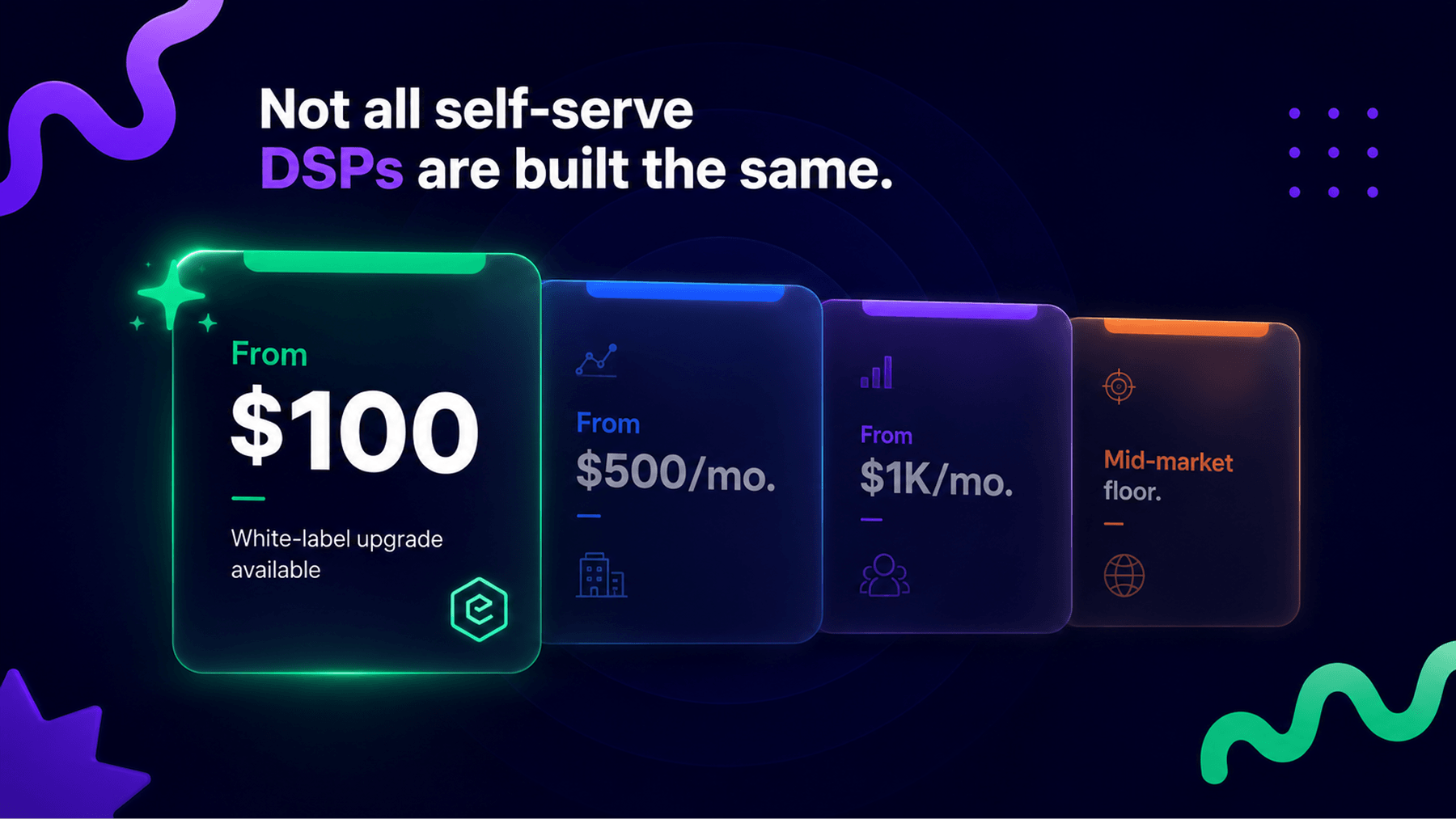
The programmatic platform market offers real choice at different entry points, other ad formats, and support levels. The self-serve DSP market is ripe with options. We’ve already made a list of the top 9 DSPs, so we’ll quickly summarize it here:
| Platform | Entry price | White-label option | Best for |
|---|---|---|---|
| Epom DSP | $100 deposit | Yes, from $250/mo | Brands, agencies, affiliates wanting a growth path |
| AdLib | Not disclosed | No | Agencies needing DOOH and audio formats |
| BidsCube | Not disclosed | No | Beginners wanting guided support and audio buying |
| AdForm | Enterprise, no trial | No | Large agencies needing CPA bidding and deep analytics |
| SmartyAds | Not disclosed, no trial | Yes | Full-stack buyers wanting DSP, SSP, and DMP in one place |
| Targetoo | Not disclosed | Yes (custom SSP costs extra) | Advanced buyers needing highly customizable targeting |
| Ad Kernel | Not disclosed | Basic only | Networks needing flexible account management and keyword targeting |
| BidMind | High, custom pricing | Yes | CTV-focused campaigns with guided onboarding |
| Eskimi | Not disclosed | No | Rich media and interactive creatives, CPM model only |
Every platform on this list runs programmatic. What differs is the entry point, the level of control, and where you can go when your campaigns grow. If you want a deeper breakdown of features, formats, and pricing, the full self serve DSPs comparison is here.
Is a Self-Serve DSP the Only Way to Buy Traffic Programmatically?
Earlier, we implied that a self-serve DSP is nearly a subset of programmatic buying platforms. A self-serve DSP is not the only way to handle your ad buying. In short, here are the other contenders:
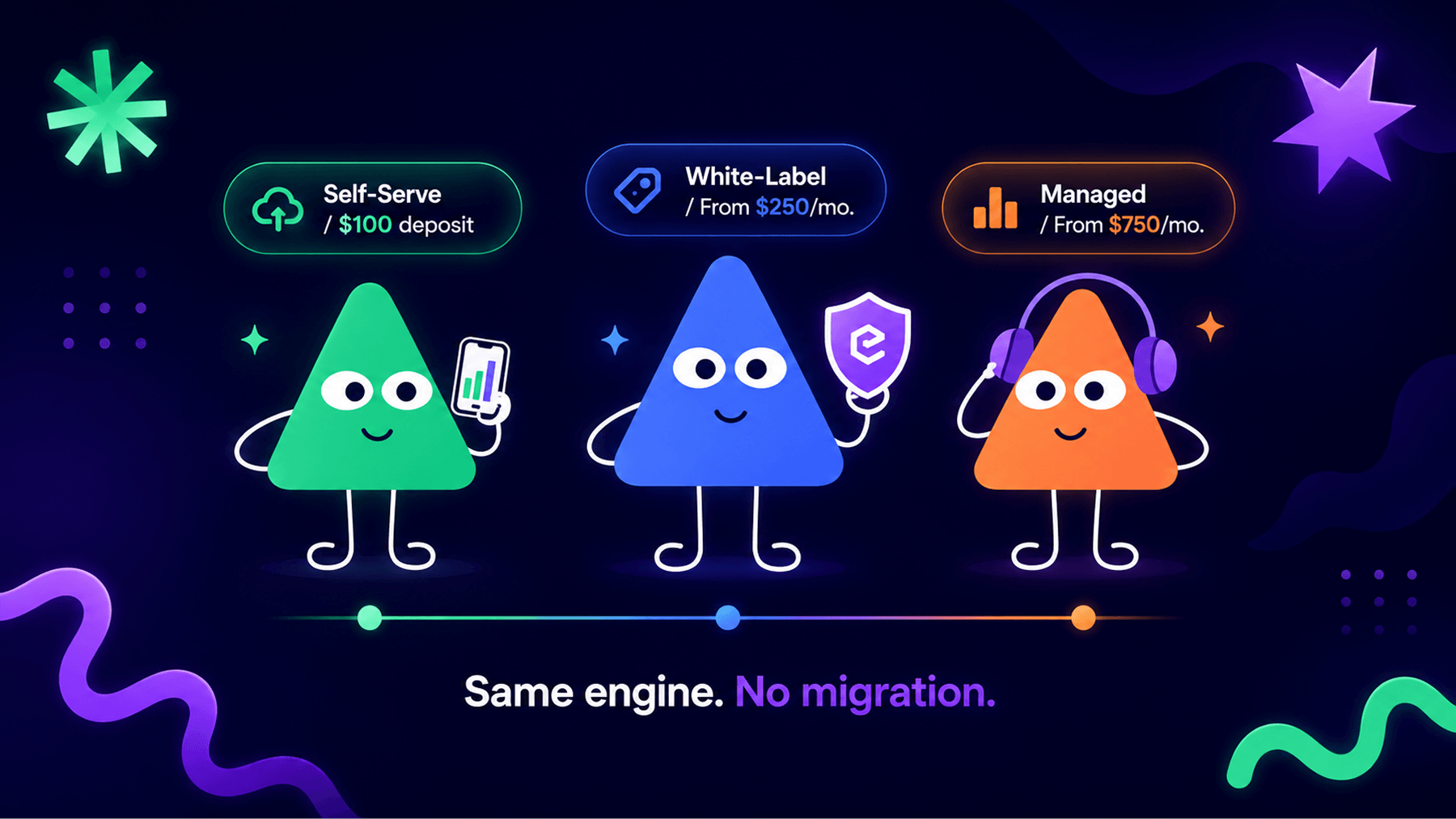
1. White-Label DSP
A white-label DSP runs under your brand. You set client markups inside the platform and keep the margin as profit, giving you advertisers complete control over how you bill and present your service. It fits agencies managing $5,000 or more in monthly client spend who want to present programmatic as their own service and earn on media margins alongside service fees.
A white-label DSP is designed for those who know their programmatic and want to scale without building their own programmatic platform (which is expensive and difficult). Ad tech rookies or ad players whose main priority is fast, easy-to-use traffic buying won’t need white-label functionality; hence, they could save money by going with a self-serve option.
2. In-House DSP
Some companies go even further than white-labeling and create their own proprietary DSPs. The winner in the buy vs. build-your-own DSP debate mostly depends on who you are and what you want.
Only 25% of ad tech teams currently use or plan to use in-house media buying, according to Epom's research. Building a DSP costs $1.5 to 2.5 million per year in engineering, server infrastructure, and ongoing development. It makes sense for companies with a multi-year technical roadmap and the budget to support it.
If you can pull it off, the benefits are worth it: Full control, no markups and middlemen, long investment, and audience data security.
3. Managed Services
Managed services mean handing campaign execution to a specialist team while retaining strategy and budget control. With the right partner for managed services, you often have a personal account manager who runs the campaigns. First results typically arrive within two weeks. It fits brands with ad budget but no in-house programmatic specialist. Agencies can also add it on top of a white-label account to offer fully managed programmatic campaigns under their own brand.
A self serve DSP gives you control over the ad buying process without requiring enterprise budget or agency dependency. You manage the traffic, control ad placements, and own campaign results. Self-serve DSPs provide direct access to the open internet, transparent performance data, and the ability to optimize campaigns in real time. It is not the only way to buy programmatically, but for most brands, agencies, and performance buyers, a self-serve platform covers every significant ad need and leaves room to adjust strategies as your business grows.
Ready to see self serve programmatic advertising in practice?
Start from $100. No contracts, no monthly fee.