
In 2026, adtech is getting simpler and smarter at the same time. AI is taking over routine media work, cookies are replaced by first-party data and clean rooms, retail media and CTV are becoming must-buy channels, mobile is shaped by privacy rules, and attribution is finally improving. The winners will be teams that cut tech clutter, focus on quality signals, and use automation without losing human control.
After years of privacy changes, new platforms, and endless testing, digital advertising is finally starting to stabilize. Instead of chasing every new tool, teams are now focused on what actually drives results. These seven adtech trends that we are about to discover show how media buying, targeting, and measurement are changing in 2026 – and what really matters if you want to stay competitive.
1. AI Agents Take the Wheel
It’s wild to think that just a couple of years ago, we were all amazed (and a bit terrified) by artificial intelligence (AI). Now? In 2026, not using artificial intelligence for work feels almost old-school.
The machines have truly rocked the world of ad tech, and they’re not slowing down. Ad businesses have played with artificial intelligence long enough to know one thing for sure: it brings real money. AI is increasingly used in digital marketing to predict future consumer patterns and improve targeting strategies.
But here’s what’s really different now: AI isn’t just helping anymore - it’s taking over entire workflows. We’re talking about agentic AI – systems that don’t just follow rules, but actually make decisions. You give them a goal (‘get me $50K in sales for hiking boots in the UK’), and they figure out the rest. Predictive analytics, powered by artificial intelligence, enables real-time anticipation of customer behaviors, improving targeted advertising and personalization efforts through advanced data analysis and automation. Based on Epom observations, this represents the largest shift since the advent of real-time bidding.
What’s happening in 2026:
- Deep learning AI is becoming the norm for programmatic targeting
- Generative AI keeps getting better at text and design
- Media buying and planning? Way more automated
- AI is getting seriously good at catching ad fraud
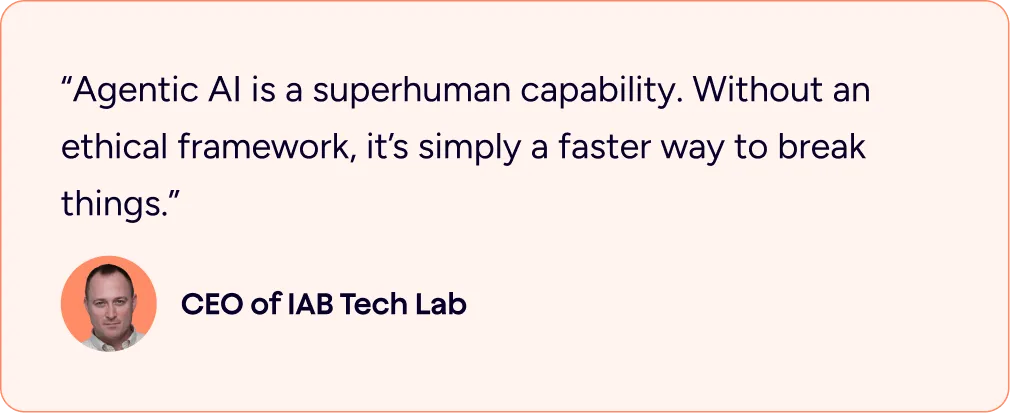
- Autonomous campaign agents handling media ops, pacing, and bidding without humans
- Ad Context Protocol (AdCP) - a new language that lets AI buyers talk directly to AI sellers
AI and machine learning are revolutionizing marketing by enabling hyper-personalization, automating complex tasks, and creating tailored customer journeys that make ads more relevant. In fact, AI-driven personalization strategies are used by 92% of business leaders to drive growth in advertising.
AI can now measure user engagement through metrics like scroll depth, dwell time, and eye-tracking, providing even deeper insights for campaign optimization. By analyzing vast datasets, AI enhances personalization in advertising, generating content that resonates with individual consumer preferences.
2. Contextual Advertising: Identity Without Cookies Is Here to Stay
Remember when we all kept waiting for Google to kill cookies? And then they didn’t? And then they sort of did? Well, the industry got tired of waiting and moved on. Smart move. Privacy laws are reshaping the AdTech landscape by enforcing stricter data collection practices, and raising privacy concerns, requiring marketers to adapt quickly.
The new reality: identity belongs to consumers now. They decide what to share, when, and with whom. And you know what? The companies that figured this out early are actually doing better than before.
So what’s actually working?
- Data Clean Rooms - secure meeting rooms where brands and publishers share insights without exposing actual data
- First-party data layering - combining what users tell you directly with what you observe. Quality over quantity
- Identity portability - new protocols that let consent travel across platforms
- Match rate > reach - it’s not about how many people you can target, it’s about how well you know them
The decline of addressable signals like third-party cookies has led to a shift toward intent-based targeting. The elimination of third-party cookies is prompting advertisers to rethink their targeting strategies, and the rise of privacy regulations is leading to a shift towards contextual targeting in advertising.
3. Retail Media Becomes the New Search
Okay, this one’s huge. You know how Google search basically dominated digital advertising for years? Retail media is gunning for that spot. According to Statista, the global retail media market is expected to exceed $196 billion in 2026. Yes, billion with a B.
Retail media networks (RMNs) are now functioning as ad platforms that support digital advertising campaigns for brands and retailers, helping them manage ad inventories and enhance targeting capabilities. AdTech is enabling brands to optimize their budgets and deliver the right content to their target audience, reducing wasteful spending and increasing the effectiveness of digital advertising campaigns. First-party data provides better insight into an audience's interests, allowing for improved targeting and personalization.
Why is everyone so excited? Because when someone searches on Amazon or browses Walmart’s site, you know they’re ready to buy. No guessing, no hoping - just pure purchase intent.
What’s new:
- It’s not just product listings anymore - RMNs now do video, digital out-of-home, even off-site ads
- RMN-in-a-Box - smaller retailers can now compete without building everything from scratch
- Retail co-ops - mid-sized retailers teaming up to offer Amazon-level scale
Want the Full Picture?
Dive deeper into these adtech trends and predictions for 2026 in our comprehensive report: “The Ad Tech Reset: 7 Forces Reshaping Advertising in 2026”. It's free, detailed, and might just save your Q1 planning.
Download Free Report
4. Connected TV (CTV) Is the Premium Battleground
We’ve been saying ‘CTV is the future’ since 2020. Then again in 2023. At this point, it’s not the future anymore - it’s very much the present. And honestly? It’s living up to the hype.
Connected TV (CTV) advertising is now a prominent channel for advertisers, offering unique opportunities to reach audiences through streaming services and smart TVs. More than 68% of TV viewing already comes from streaming devices, highlighting the rapid shift in consumer behavior.
CTV provides better targeting options based on real-time data, allowing for more accurate audience targeting and improved campaign performance. Programmatic CTV ad spending is rising significantly, making connected TV a dominant platform for precise and scalable advertising.
Video advertising is becoming increasingly vital in the advertising ecosystem, with ad spending expected to show an annual growth rate of 9.54% from 2025 to 2030. Optimizing ad space on CTV platforms is essential for publishers to maximize revenue and ensure ad relevance through AI-driven ad networks.
High viewability, great engagement, solid CPIs, cross-device targeting - you know the drill. CTV delivers.
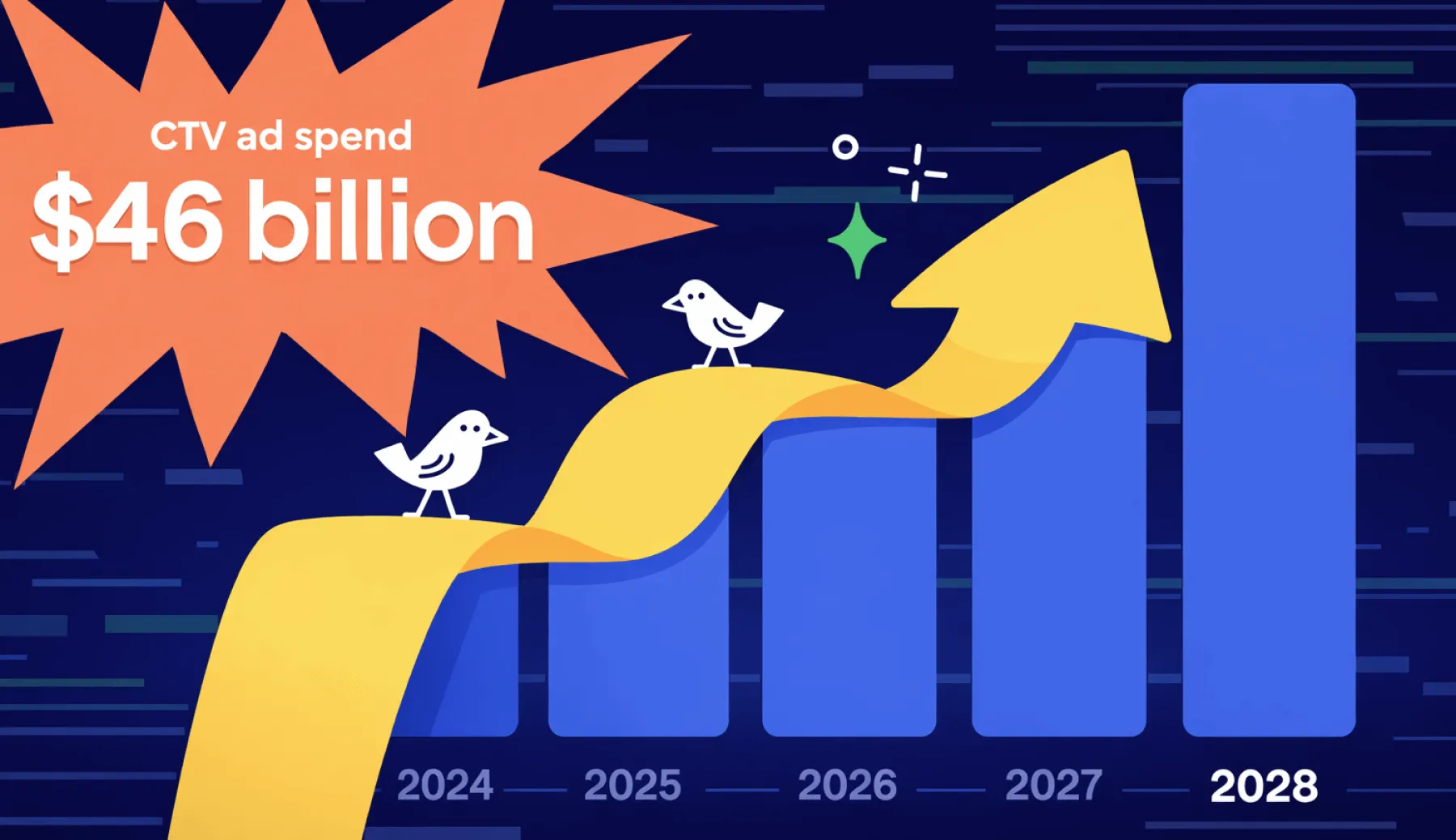
According to Statista, CTV ad spend is projected to exceed $46 billion by 2026. That’s not pocket change. TV has always been where brands go for impact, and now you can actually target and measure it properly.
The challenges (yes, they still exist):
- Measurement is still a mess - everyone’s using different standards
- Linear TV and CTV need to play nicer together
- AI is crucial here too - dynamic placements and smart targeting
- Cord-nevers are now the majority - streaming isn’t an alternative anymore, it’s default
- Sports finally made the jump - Amazon, Apple, DAZN scooping up live sports rights
- Creative fatigue is real - if everyone runs AI-generated ads, they all start looking the same
5. AdTech Mobile Trends: The Pocket-Sized Powerhouse
Let’s talk about where people actually spend their time: their phones. Adtech mobile trends in 2026 are all about smarter targeting, better measurement, and respecting the user’s space.
As marketing strategies evolve, brands are integrating emerging technologies, data-driven personalization, and privacy considerations into their approaches to mobile advertising. According to Statista, mobile advertising spending worldwide is expected to reach $400+ billion in 2026, accounting for over 60% of all digital ad spend. That’s massive.
Brands are increasingly focusing their marketing efforts on mobile platforms to achieve higher engagement and better campaign outcomes. Mobile ad tech solutions are also becoming more cost effective, helping brands optimize their advertising budgets and maximize ROI.
What’s driving mobile ad tech forward:
- Privacy-first SDKs - Apple’s ATT changed everything, and now Android is following. Consent is king
- In-app > mobile web - apps offer better data, better experiences, better results
- Playable and interactive ads - engagement beats impressions, especially for games and apps
- SKAN and Privacy Sandbox - the new measurement frameworks everyone’s learning to love (or at least tolerate)
6. Attribution Finally Grows Up
Can we all agree that last-click attribution was always kind of… dumb? ‘The last ad they saw gets all the credit!’ Sure, and the goalie who catches the ball wins the whole soccer match by himself.
The death of cookies didn’t just break tracking - it forced everyone to rethink what ‘measurement’ actually means. Improved attribution and measurement are now directly linked to campaign success, as advertisers can better understand which touchpoints drive results. These are among the most important new adtech solutions emerging right now.
New measurement tools are also enabling more sophisticated strategies. For example, dynamic creative optimization (DCO) allows advertisers to modify creatives in real-time based on live data, leading to higher engagement. Additionally, attention metrics are becoming the gold standard for assessing ad effectiveness beyond clicks.
The new measurement toolkit:
- Marketing Mix Modeling (MMM) - AI made this old-school method cool again. Now it updates fast enough to be useful
- Clean room measurement - match your data with publishers without anyone seeing the raw stuff
- Attention metrics - viewability is 'did the ad load?' Attention is 'did a human actually notice it?'
- Quality CPM (qCPM) - paying for attentive seconds instead of raw impressions. Makes way more sense
7. The Open Web Fights Back (Responsibly)
Let's talk about the elephant in the room: the supply chain is still a mess. Too many middlemen, too little transparency. That stat about 95% of impressions being unmatchable between DSPs and SSPs? Still painful, still true.
What’s actually changing:
- More advertisers are cutting out unnecessary middlemen
- SSPs and exchanges are consolidating (survival of the fittest)
- Shady intermediaries are getting squeezed out
- SPO becomes SPE - Supply Path Optimization? More like Supply Path Elimination
- AI-to-AI deals - AdCP lets buyer bots talk directly to seller bots. Fewer humans, fewer fees
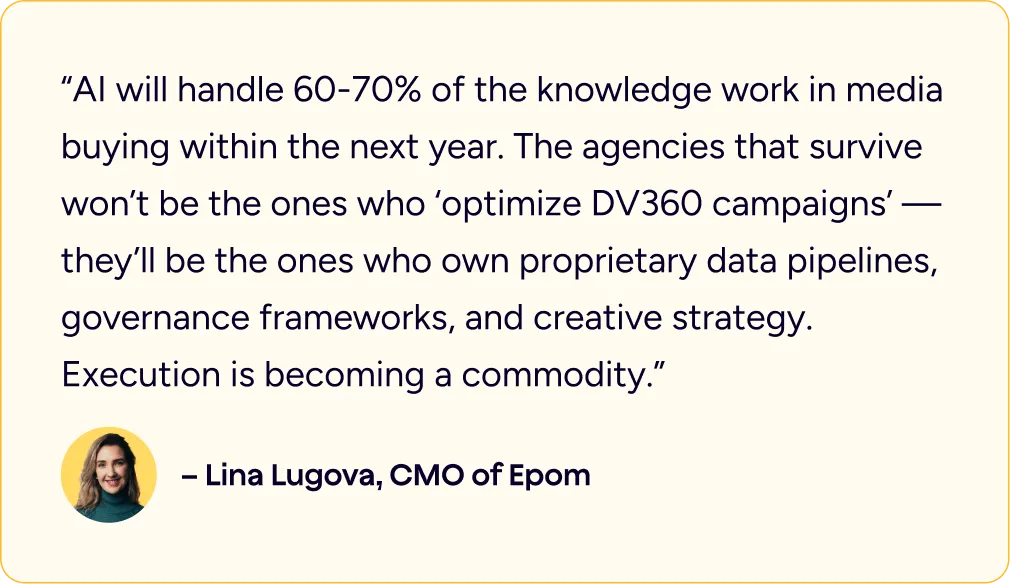
- Build vs. buy - big publishers building their own ad tech to escape 15-20% platform take rates.
Controlling the entire tech stack (data, decisioning, delivery, and measurement) gives publishers strategic advantages like greater transparency, flexibility, and independence in digital advertising. Fewer tech partnerships are being favored in the adtech space to further increase transparency and efficiency.
And here’s the plot twist: sustainability is becoming a business metric. Carbon footprint, ethical AI use, brand safety… they’re converging into what some call Responsible Media. High-emission ad environments usually mean cluttered pages and bad UX. Doing less, but doing it better, isn’t just ethical - it’s more effective.
Building Consumer Trust in the New AdTech Era
In 2026, trust isn’t just a buzzword; it’s the backbone of every successful digital advertising campaign. As privacy regulations tighten and third-party cookies fade into history, the advertising industry is facing a new reality: consumers are in control, and their trust is the most valuable asset you can earn.
Why does this matter? Because today’s digital marketing efforts live and die by transparency, privacy, and relevance. Consumers expect brands to respect their data, deliver meaningful connections, and provide seamless customer experiences across multiple platforms. If you want your advertising strategies to cut through the noise, you need to show your audience that you’re on their side.
As connected TV (CTV), video advertising, virtual reality, and augmented reality become more mainstream, the opportunities to engage audiences are endless—but so are the risks if trust is broken. Whether you’re running CTV ads, experimenting with immersive video content, or leveraging customer data platforms, your ability to build and maintain trust will determine your long-term success.
The bottom line? In the fast-moving adtech industry, trust is the ultimate differentiator. Brands that invest in data-driven insights, prioritize user-centric experiences, and operate with transparency and integrity will not only survive the great reset, but they’ll lead it.
So... What Now?
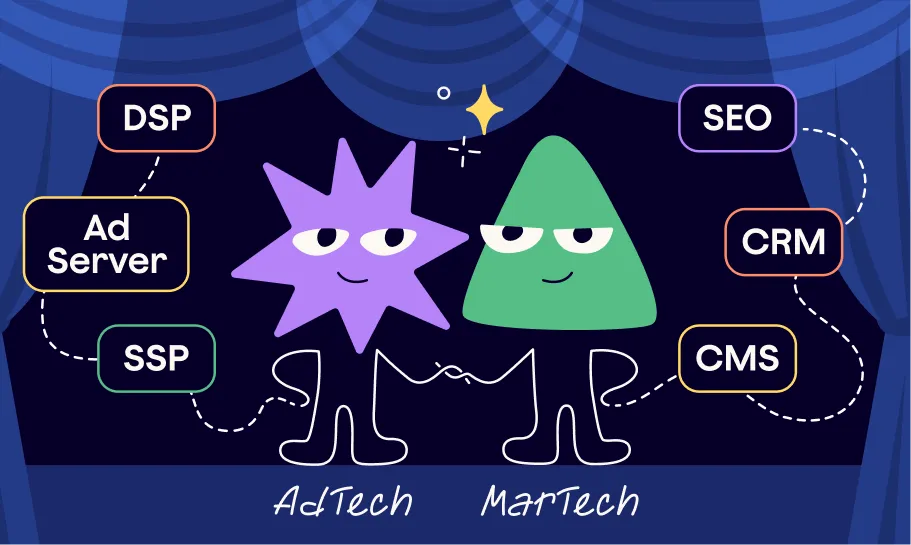
Look, we know that was a lot. Seven major shifts, tons of new acronyms, and probably a few ‘wait, what?’ moments. But here’s the thing: these key trends in adtech aren’t happening in isolation. They’re all connected, pushing toward a smarter, cleaner, more accountable ad tech ecosystem. Current ad tech trends emphasize AI for hyper-personalization, managing the shift to CTV/DOOH, leveraging first-party data in a cookie-less world, integrating ad tech with marketing tech, and sustainability. The convergence of AdTech and MarTech allows for seamless customer experiences across various touchpoints.
As brands connect with audiences, they are adapting their advertising strategies to leverage social media and influencer marketing, especially to engage younger, digitally native consumers. The rise of digital natives, particularly Gen Z, is influencing how brands adapt their advertising strategies to improve reach and engagement.
There is also a clear shift from relying on traditional celebrities to partnering with influencers, as authenticity and relatability have become central to modern advertising strategies.
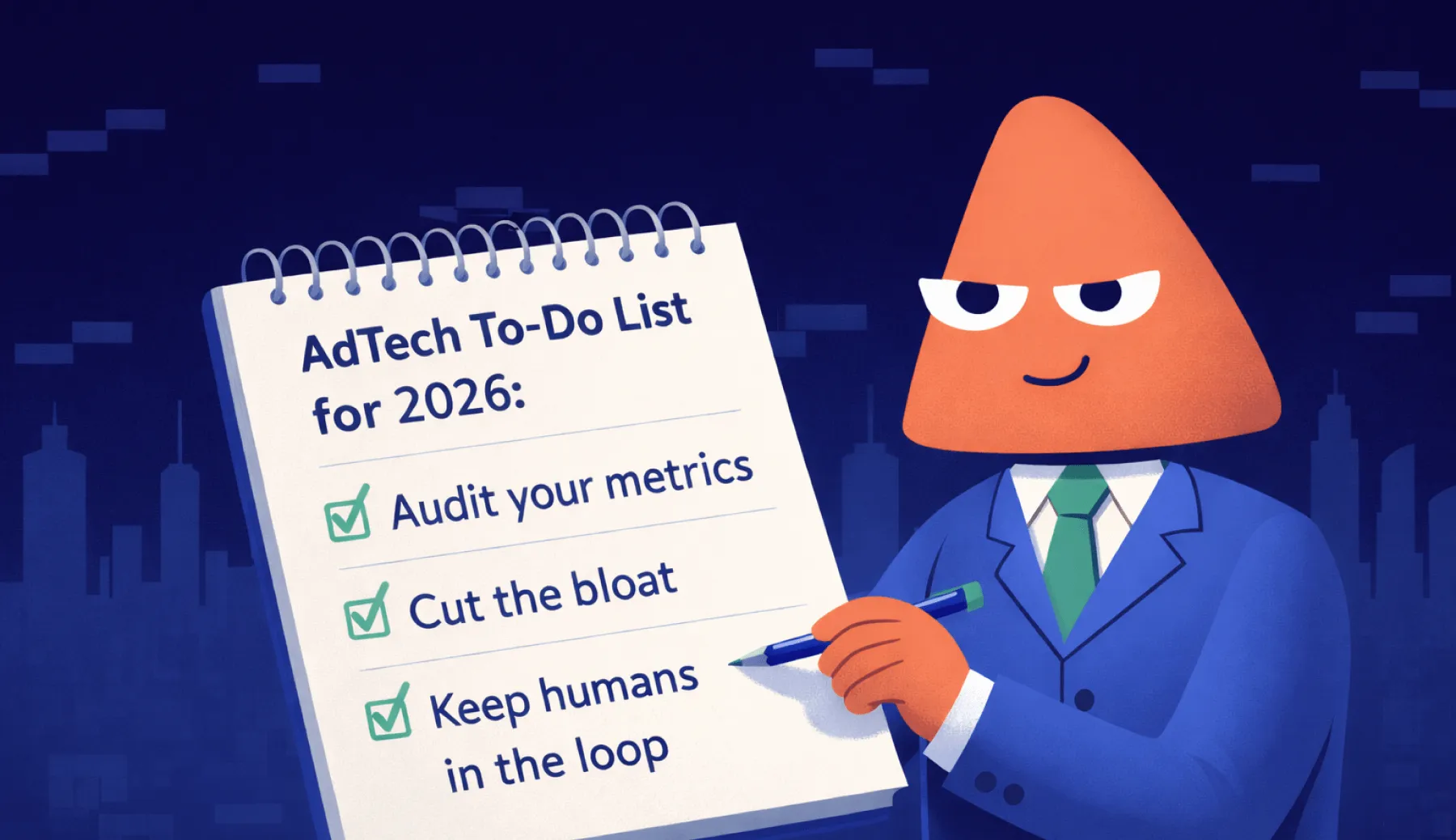
Your to-do list for 2026:
- Audit your metrics - if it doesn’t predict actual business results, why are you still reporting it?
- Cut the bloat - every middleman adds cost, delay, and carbon. Do you really need all of them?
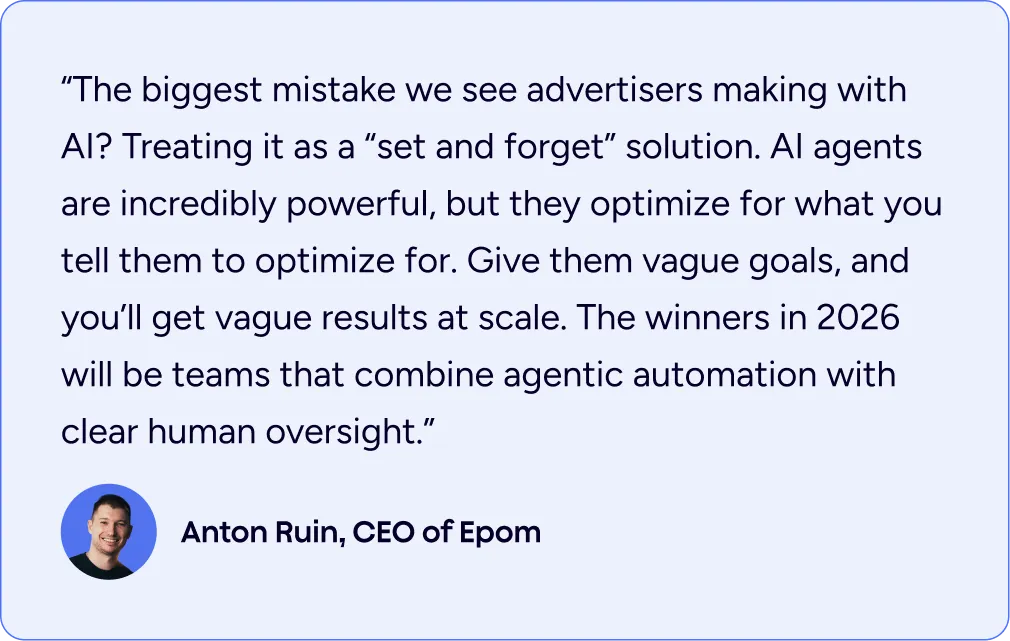
- Keep humans in the loop - let AI handle the boring stuff, but strategy and creativity? That’s still us
The future of adtech belongs to teams that move fast, think clearly, and aren’t afraid to question the status quo. We think you’ve got this.