

TL;DR:
An omnichannel DSP enables managing multiple channels as a single system. It helps coordinate different types of programmatic ads to avoid audience duplication, allocate budget more effectively, and build consistent communication with the user. At the same time, this approach makes sense primarily for more complex media mixes, when campaigns go beyond a single channel.
In today’s world, people switch devices many times a day. According to the DIGITAL 2025 report, 96.3% of respondents access the web through a mobile phone, but 61.5% also use a laptop or desktop, and 31.7% use connected TV. For them, it’s one continuous experience, but for brands, it’s often an unrelated set of events. Imagine an orchestra where each musician plays the part, but can’t hear the others. This is what digital advertising often looks like when ads across different channels are managed separately. An omnichannel DSP helps to sync the advertising orchestra to produce a wonderful melody.
What Is an Omnichannel DSP?
«Omnichannel» has already become a buzzword. Sometimes people use it to describe almost any platform that operates numerous ad formats. However, it’s not enough for a DSP to offer many formats to call itself omnichannel. The crucial difference is the decision-making logic.
Hence, the definition: a true omnichannel DSP is a programmatic buying platform that manages impressions across multiple channels as a single decision logic. It collects the user’s data from different sources and makes bid decisions based on previous contacts.
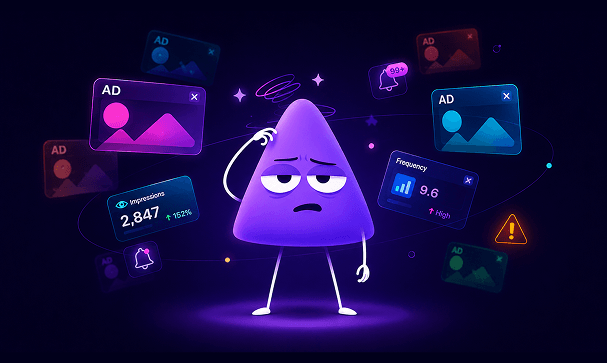
For example, a customer watches a video ad on CTV, then visits the company’s website on a laptop, and later reads the news on their phone. Most likely, a regular DSP will consider these events unrelated because it cannot match the same user’s data collected in different environments. Therefore, when making bidding decisions, such DSPs rely on local data and channel-specific metrics. As a result, the same user may see the same ad repeatedly on different devices, leading to low effectiveness and increased ad fatigue.
An omnichannel DSP solution, on the other hand, coordinates all channels through a single decision layer. Unified audience and identity resolution enables the platform to track and target the same user across different devices, ensuring cohesive storytelling throughout the user journey. So, the system can «recognize» the user and evaluate each bid request in the context of the entire exposure history. If the chances that an additional exposure will drive a conversion are low, the system simply won’t place a bid.
Omnichannel vs Multichannel: What’s Better for Your Marketing Strategy?
In programmatic advertising, these terms are sometimes used interchangeably. However, they rely on entirely different approaches to media buying.
A multichannel approach means a brand operates across several channels simultaneously but plans, manages, and optimizes campaigns in each channel separately. For example, an advertiser may launch different ad formats (display, video, CTV, mobile, etc.) as separate units or through different platforms. Sometimes it can even be done through a single DSP; however, decisions are made at the channel level. Here are some of the consequences:
- Advertisers manage ad frequency only within each channel, not across them.
- They optimize each channel’s metrics separately.
- The only way to see the whole picture is to collect performance reports and analyze them.
An omnichannel approach allows you to make decisions at the user level, which brings some advantages:
- Instead of focusing solely on impressions, a programmatic omnichannel system considers a user’s previous interactions and bids more efficiently.
- Such platforms control ad frequency across all channels, helping minimize target audience’s ad fatigue.
- An omnichannel DSP can measure performance more accurately by combining data from multiple environments.
- These platforms require less manual work to analyze data and optimize campaigns.
Advanced reporting tools in omnichannel DSPs deliver actionable insights for optimizing campaign performance across channels, using features like cross-channel reporting and attribution analytics.
How an Omnichannel DSP Works
By now, you’ve already grasped the main idea behind an omnichannel demand-side platform. Now, let’s take a closer look at its main features.
Unified Buying and Budgeting
In an omnichannel DSP, ad buying is handled from a single control center. Instead of allocating budgets in advance (for example, 40% to CTV, 30% to video, and 30% to display ads), the system uses a single shared budget and dynamically allocates it based on estimated impact.
For instance, the campaign's initial goal was to build awareness, and it focused primarily on CTV impressions. However, after a few weeks, additional CTV impressions stopped increasing engagement, while video ads continued to drive conversions. The system automatically reallocated a larger share of the budget to the video format, with minimal manual adjustments.
Shared Audiences and Reporting
In the multichannel approach, each channel works with its own target audience. For omnichannel programmatic solutions, the audience is a single whole. Even when users interact with ads across different devices, the system can recognize them as the same individual. As a result, duplicated targeting occurs less often.
Analytics also look quite different in an omnichannel DSP. It’s built around the audience, not separate channels. For example, in a multichannel campaign, the report may show 200,000 users for CTV, 180,000 for display, and 150,000 for video. But it doesn’t mean that ads reached 530,000 people — most likely, these audiences overlapped.
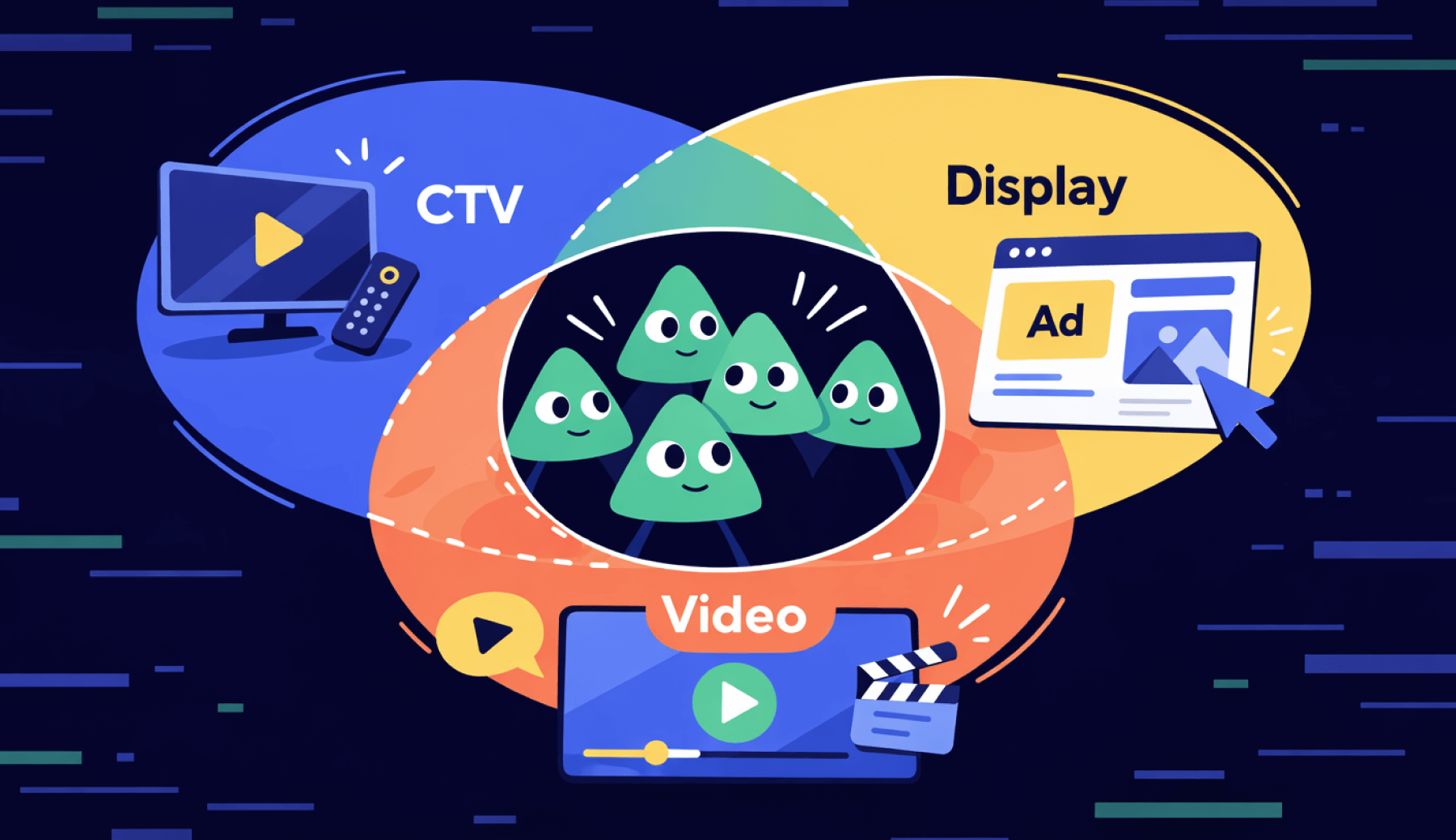
In an omnichannel report, the system may show 320,000 unique users in total, of which 140,000 saw the ad in two channels and only 60,000 in three. Such data is better suited for decision-making and helps estimate each channel's contribution to the overall result.
One Cross-Channel Optimization Logic
In an omnichannel DSP, various channels operate under a single optimization logic rather than separate rules for each format. This means that the system does not evaluate the effectiveness of display, video, or CTV per se, but rather the contribution of each contact to achieving a common business goal, such as conversion or registration.
So, the platform optimizes not the channel, but the entire user journey. For instance, if the user has already taken a targeted action, the omnichannel DSP can redirect the budget to new users. Also, programmatic advertising plays a vital role in synchronizing digital channels, enabling real-time automation and data-driven targeting for a seamless user experience.
Looking for a DSP that can manage multiple channels? Find out more about Epom DSP!
What Channels DSPs for Omnichannel Advertising Typically Cover
Most often, omnichannel DSP solutions work with multiple inventory types (pretty much like offline channels selling different products to people who prefer in-store visits) to reach users at different stages of their customer journey. Here are some of the popular ad formats.
Display Ads
These classic banner formats are often used on websites and in mobile browsers to scale reach or for remarketing purposes.
Video Ads
They typically include outstream and instream formats that often act as a bridge between CTV and display. Their strong side is the ability to combine a wide reach with precise targeting.
Native Ads
These ads are integrated into a page's content or social media feed and usually appear more organic to users than other ad formats. As a result, brands often use them to raise awareness and increase engagement.
Mobile and In-App Ads
This category includes ad inventory in mobile applications, including banners, video, and interactive formats. They allow you to engage with the audience in everyday digital environments, becoming part of the routine of app use.
CTV (Connected TV) Ads
The audience watches these ads on streaming services and connected TVs. Due to their high quality, they help establish brand awareness at the early stages of the user journey.
All these channels, combined, create a foundation for an omnichannel DSP to manage the sequence of user interactions, allocate and reallocate budgets, and optimize holistic performance metrics.
Key Benefits of Omnichannel Programmatic Advertising
Advertising campaigns that span beyond a few channels may become too complicated to manage, risking too high ad spend or wasted budget. Based on Epom’s observations, an omnichannel demand-side platform helps advertisers overcome these challenges.
Here are some benefits of omnichannel programmatic advertising platforms.
Centralized Control
Since you can manage all channels from a single platform, campaign planning and optimization become more convenient. But centralized control means more than a unified interface: it also implies that campaign rules are set and applied to all channels. For example, you can set common goals (such as maximizing conversions) and targeting rules and restrictions regarding devices, location, etc. After that, an omnichannel DSP will apply this single logic to delivery and bidding across all channels.
Efficient Budget Allocation for Better Campaign Performance
Omnichannel DSP can allocate budget not by channels, but by the expected contribution of the next contact with a user. Simply put, an omnichannel programmatic system directs spending to the channel with the biggest potential impact. For example, an omnichannel DSP can compare several options: buy another CTV impression for this user or a user from a different segment, show a display ad, or don’t bid at all. Also, it can limit excessive retargeting, so you don’t spend your budget on conversions that would have happened anyway.
By aligning paid media strategy with programmatic ads execution, advertisers can improve budget efficiency and ensure that investments are directed toward the audiences and channels that deliver the greatest incremental impact.
Consistent Messaging and Frequency
In an omnichannel DSP, frequency control occurs at the cross-device user level. Thanks to that, the risk of the audience seeing the same ad too many times or receiving contradictory messages is low. Instead, the system can utilize the power of multiple touchpoints: show an awareness-building video ad, followed by a display ad with a special offer in another channel.

Unified analytics
It’s not just about collecting third-party data or having one dashboard for performance data across all channels — unified analytics allows you to find answers to questions about the real size of a unique audience or total frequency per user across all channels. Also, this feature helps map the combination of steps to achieve the goal (for example, convert a user) and get valuable real time insights, crucial for success of your marketing efforts. In addition, you can monitor and optimize key metrics such as click through rates and conversion rates in real time, enabling immediate performance adjustments and improved cross-channel results.
When an Omnichannel DSP Makes Sense
An omnichannel DSP isn’t a universal recipe for success. If your media mix is relatively simple and you don’t spend much time manually managing it, you may not need an omnichannel marketing strategy. However, in certain situations, switching to the omnichannel approach is more than justified for advertisers and media buyers.
For instance, when ad agencies want to move beyond Meta and Google (the so-called «walled gardens») and start managing their entire digital presence, an omnichannel DSP may be the best choice. Meta and Google provide built-in optimization within their ecosystems, and without it, managing fragmented inventory becomes challenging. An omnichannel DSP helps restore lost integrity and control.
Another reason to try an omnichannel approach is to fully realize the potential of CTV and video ads. These formats are effective for widening reach and raising awareness, but require coordination with other channels. An omnichannel DSP allows you to integrate video and CTV into the overall campaign logic.
And here’s one more case — an advertiser running multi-funnel campaigns. With the multichannel approach, each stage is managed separately, which can lead to repeated targeting and overspend. An omnichannel DSP manages a sequence of contacts with a user, ensuring that each contact builds on the previous one rather than repeating it.
To sum up, an omnichannel programmatic advertising platform makes sense when you need to coordinate your efforts across different channels to reach the common goal, not just add another format to the media plan.
When an Omnichannel DSP Is an Overkill
You’ve probably figured it out by now: an omnichannel DSP solution isn't the right fit for simple campaigns or small budgets. With low spend, it is easier to focus on one or two channels and test hypotheses quickly. There’s little need for cross-channel frequency control or complex orchestration — it’s better to focus on refining targeting and identifying what actually drives results.
The same is true for situations where the brand primarily operates in one environment (for example, only display or only video) — the omnichannel campaigns simply won’t add much value.
Lastly, omnichannel DSPs are often excessive at the early experimentation stage, when the priority is to test formats, audiences, and creatives to understand what works. Flexibility and speed are more important here than a single delivery logic and centralized control.
What to Look for in an Omnichannel DSP
Now that we’ve discussed the benefits of omnichannel programmatic solutions and the situations in which they are valuable, it’s time to develop the criteria for choosing a DSP. Here are some key aspects to look for in candidates.
Transparency
The platform should provide access to several types of information, such as inventory sources (where impressions are purchased), cost structure (all fees and win price), and optimization logic (which signals are used for bidding, and how pacing and frequency control work). This feature allows you to realistically assess what exactly the budget is spent on.
Channel Coverage
Access to multiple channels (display, video, CTV, mobile, native) is crucial, but it’s also essential to have high-quality integrations with them. It means the system should allow you to work with multiple SSPs and deal types and manage campaigns across channels from a single structure (rather than separate tools).
Optimization Controls
The right omnichannel DSP should provide not only automatic optimization but also manual control over setting optimization goals, controlling frequency (on the user level, not channel level), adjusting budget allocation, and adapting delivery to changes in the campaign (for instance, if contextual targeting is needed).
Reporting and Data Ownership
An omnichannel DSP should provide user-level analytics, not just inventory: unique reach, cross-channel frequency, user journey between formats, and the contribution of each format to the result. Also, it’s critical to retain control over the first-party data — in case you’ll need to use it outside the platform for data integration.
Pricing and Support
The pricing model should be clear and scalable. Proper omnichannel DSP solutions have no hidden commissions, and their pricing allows flexibility for different purchase volumes.
Operational support is equally important: you may need assistance with onboarding and integrations or technical support when working with SSPs, deals, and data. In a complex environment, access to expertise often affects the outcome just as much as the DSP functionality itself.
How Epom DSP Supports Omnichannel Buying
Epom DSP is a strong option for working with multiple channels and formats within a single omnichannel strategy. And here are several reasons why.
Unified DSP Infrastructure
The platform provides access to various sources of inventory and ad formats within a single environment, allowing you to manage campaigns, audiences, and buying settings without switching between multiple systems.
Transparent Optimization
Epom DSP allows you to control campaign parameters, bids, and targeting at the settings level. As a result, advertisers can independently analyze performance and make data-driven decisions.
Flexible entry
The platform supports various packages, from a self-serve (the easiest option for immediate campaign launch) to a branded, full white-label DSP. With the branded DSP, you can add your logo and design to the platform, and with the full white-label solution, you can tailor the system to all your preferences.
Human Support
At every stage of setup, integration, or campaign launch, you can turn to 24/7 tech support, and you can be sure that you’ll get a live reply.
Summing up, an omnichannel DSP should enable you to manage impact, not just inventory. In this case, you’ll be scaling not impressions but results.
Take Control of Your Programmatic Performance